Commercial HVAC Service for Businesses in Snellville, GA
Rooftop units, split systems and ventilation — for the floor, the offices and the kitchen alike.
Book a Service Call (678) 778-6648
- 20 yearsOwner’s time in the trade
- Snellville, GAGwinnett County and nearby
- Businesses and homesRefrigeration and HVAC
Pierre Refrigeration Services installs and services commercial HVAC for Snellville and Gwinnett County businesses, including rooftop units, split systems, heating and ventilation. Restaurants can also ask about make-up air and kitchen exhaust. If some rooms cannot hold the thermostat setting, note where and when it happens. Airflow, controls and cooling performance need different checks before a repair is recommended.
What HVAC service covers
Commercial HVAC is a different job from residential, and not only in size. The equipment runs longer hours, it is usually on a roof, and when it stops the whole building notices before anyone has looked at it.
The systems this covers
Commercial HVAC covers the equipment that conditions a working building, not a house. Most of it sits on the roof or in a mechanical room and is sized for a load that changes through the day.
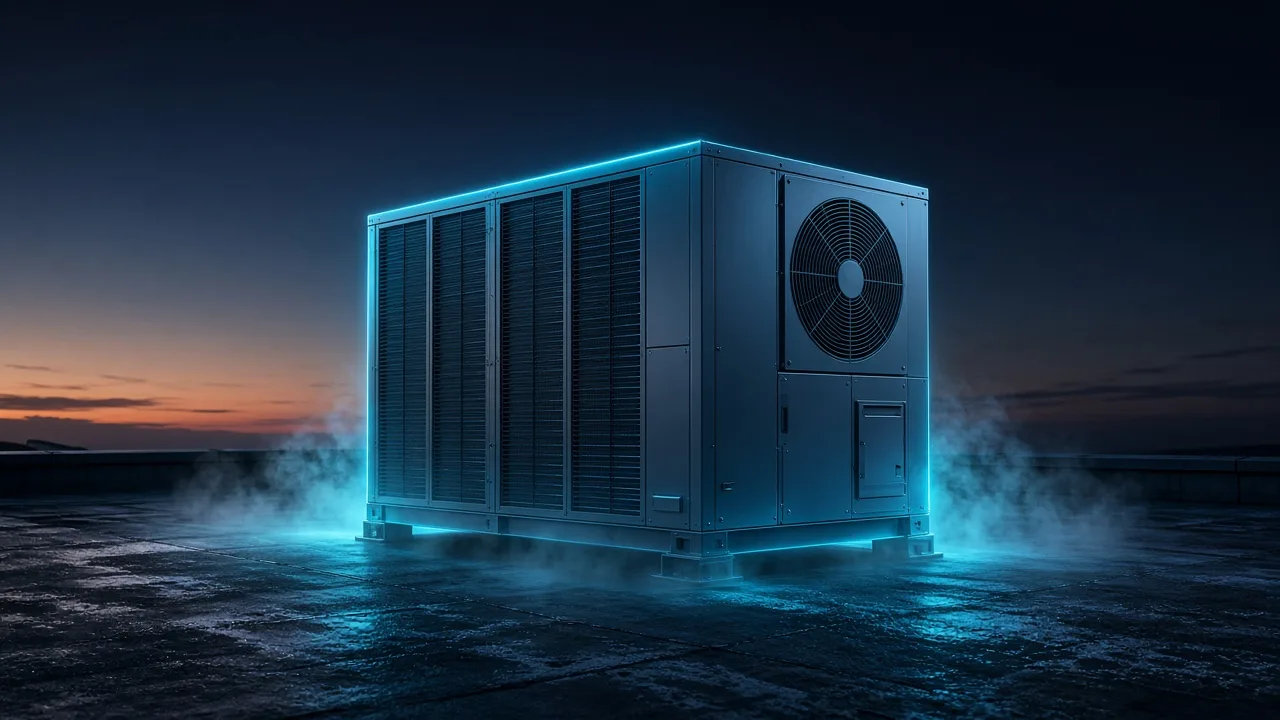
- Packaged rooftop units — the single most common commercial system, and the one that suffers most from a dirty condenser
- Split systems and mini-splits serving offices, server rooms and back-of-house areas
- Make-up air units, which replace the air an exhaust system removes
- Kitchen exhaust hoods and the fans that drive them
- Thermostats, economizers and the controls that decide when any of it runs
The buildings this is for
Offices, retail, schools, churches, medical and dental suites, warehouses and light industrial buildings all run the same commercial equipment, and a rooftop unit that quits in one behaves the same way as in another. Restaurants add exhaust and make-up air to that list, but a kitchen is one HVAC customer among many rather than the whole of it.
What a visit looks at
A no-cool call starts with power and the run capacitor, because those are the cheapest and by far the most common. Next is whether the condenser can reject heat and whether air is actually moving across the evaporator — low airflow can freeze a coil solid and then read as a refrigerant problem it is not. Pressures come last, once the free checks have ruled out most of the possibilities, so a leak gets found rather than topped up.
What is the equipment telling you?
Tell us where comfort or airflow has changed: the sales floor, classrooms, offices or kitchen. The location and pattern help distinguish a system fault from a ventilation or distribution problem.
- Stop using it A burning or electrical smell coming from the vents
- Stop using it The breaker trips when the unit tries to start
- Call today The dining room will not hold setpoint through a dinner service
- Call today Ice on the refrigerant lines at the rooftop unit
- Call today Doors pull hard against you, or the hood is drawing conditioned air out of the dining room
- Call today The unit short-cycles — starting and stopping every few minutes
- Monitor it Weak airflow at some registers and not others
- Monitor it Electricity costs climbing with no change to hours, covers or menu
Commercial HVAC installation and maintenance
When a unit is worn out, or when you would rather it never got this far.
-
Commercial HVAC Installation & Replacement
Rooftop units, split systems, heating, ventilation and controls, supplied and installed, with the old system measured first.
-
Commercial HVAC Maintenance
Filters, belts, coils, drains, heating and controls, looked after before the season that tests them.
Explore service by industry
What you can ask Pierre about
-
Repair or replace?
The unit is measured first. If a repair makes sense, you are offered the repair; if the unit is not worth repairing, you see why, and the replacement is sized to the job. See installation and replacement.
-
Experience behind the business
Owner Don Pierre has spent 20 years working in commercial refrigeration and HVAC, and established the business in 2014.
-
Snellville based
Pierre Refrigeration Services is based in Snellville and covers Gwinnett County and the cities around it.
What happens after you call
-
Tell us what’s down
The equipment, the symptom, and how long it has been off-target.
-
Request a visit
Book online with a preferred date, or call. We confirm the time with you.
-
On-site evaluation
A technician diagnoses the equipment before recommending work.
-
Recommendation
Review what was found and the available options before approving work.
-
Service
After you approve the work, the technician services the system and checks the result.
Where we work
Questions operators actually ask
- Can the same visit cover refrigeration and HVAC?
- Yes. Pierre Refrigeration Services works on both commercial refrigeration and commercial HVAC, so a walk-in cooler fault and a rooftop unit problem can be looked at on the same visit. Tell us both symptoms when you book so the technician arrives prepared for the systems that interact in the building.
- What services does Pierre Refrigeration Services offer?
- Pierre Refrigeration Services offers commercial HVAC and commercial foodservice refrigeration for businesses, including walk-in coolers and freezers, reach-ins, and ice machines, plus home air conditioning and heating. The company does not offer restaurant or kitchen plumbing, and does not repair residential refrigerators or freezers. Coverage is based in Snellville and approved Gwinnett County communities.
- What commercial HVAC equipment do you service?
- We service rooftop units, split systems, kitchen exhaust hoods, and make-up air units for businesses in Snellville and across Gwinnett County — restaurants, grocery stores, convenience stores, and institutional kitchens among them.
- Why is my kitchen still hot when the air conditioning is running?
- In a commercial kitchen this is often a make-up air problem rather than a cooling problem. Exhaust hoods pull a large volume of air out of the kitchen, and if the make-up air unit is not replacing that air correctly the space stays hot, doors become hard to open, and the hood stops capturing heat and smoke properly. The fix is usually in the hood and make-up air balance rather than the air conditioner.
- Do you service kitchen exhaust hoods and make-up air units?
- Yes. Exhaust hoods and make-up air units are part of our commercial HVAC service. They work together with the building cooling system, which is why we treat them as one system instead of separate pieces of equipment.
- How often should commercial HVAC equipment be serviced?
- Commercial kitchens are harder on equipment than typical office spaces because of grease, heat, and long operating hours. Many operators schedule preventive service at least twice a year, and more often for rooftop units serving a kitchen. A technician can recommend an interval based on your specific equipment and how hard it runs.
- Can the same company handle both my HVAC and my refrigeration?
- Yes. Pierre Refrigeration Services works on both commercial refrigeration and commercial HVAC, so a walk-in cooler fault and a rooftop unit problem can be looked at on the same visit.
Understand the problem before you decide
-
Commercial Rooftop Unit Maintenance for Restaurants
Restaurant rooftop units fail faster than office units because they run longer hours in grease-laden air. Filter changes, coil cleaning, belt and drain checks, and catching short-cycling early prevent most mid-service cooling failures. This is a maintenance guide, not a diagnosis of a unit that has already stopped cooling.
-
Why Your Commercial Kitchen Is Too Hot (And Why It Is Usually Not the AC)
A commercial kitchen that stays hot while the air conditioning runs usually has a make-up air problem, not a cooling problem. Exhaust hoods pull enormous volumes of air out of the building, and when that air is not replaced correctly the kitchen stays hot and the hood stops working properly.
Other services for your property
Pierre also provides other commercial services. Restaurant operators can discuss HVAC alongside refrigeration; other businesses can explore the services relevant to their equipment.
-
Commercial Refrigeration Repair
Pierre Refrigeration Services repairs commercial refrigeration in Snellville and across Gwinnett County. Walk-ins, reach-ins, ice machines and display equipment can affect inventory and the day’s work when temperatures drift. Tell us the equipment type, current reading and what has changed; a diagnosis can identify the cause and the next repair decision.